

SELLER'S COURSE
Here's What You Need to Know About Selling a Home in Contra Costa County...
|
|
Seller's Course
Module 1: Choosing Your Agent
Module 2: Marketing in Today's World
Module 3: Supercharging Traditional Marketing
Module 4: Compensation Commissions
Module 5: Savvy Negotiations
Module 6: The Importance of Communications
Module 7: Savvy Sellers Goals and Priorities
Module 8: Getting Clarity
Module 9: How to Prepare for a Great Sale
Module 10: Do's and Don'ts When Selling Your Home
Exclusive Market Updates
We know selling a property can be stressful and overwhelming! That’s why we got you covered. With the right team by your side, we will guide and navigate you through the selling process to help you make informative decisions and get the best terms possible on your sale!
Our exclusive market updates will help you stay ahead of the curve with our up to minute market updates. From the latest listings, price trends and days on market, we ensure you will have all the information you need to make informed decisions on your sale. East Bay's real estate landscape is dynamic, and with our expert analysis you will always be well informed and in the know.
Want to be sure you don't miss out on any local tips & local real estate market updates?
Have them delivered to your inbox.
Subscribe to the monthly digital newsletter below!
Market Updates
Preparing for a possible move this winter? Click below to check out our moving checklist to get your whole house ready for the next home!

DOWNLOAD TO ACCESS:
30 Day Plan to Prepare Your Home for Sale

DOWNLOAD TO ACCESS:
The Complete Guide to Selling A Home
WELCOME TO THE VIRTUAL SELLER COURSE FOR
CONTRA COSTA
If you are a homeowner either thinking about selling or already made the decision to sell, but still have questions or concerns regarding the process, price or anything else, you are in the right place.
This free seller course will give you the exact step by step blueprint on everything you need and guide you through the selling process, so you can make the best decision on selling your home for top dollar.
You will learn about marketing your home, timelines, pricing, negotiations and so much more.
Take a look around and let us show how we can help you.

Yvonne Paredes | Realtor
Brokered by One Realty one Group
DRE #01989739
Welcome To The Virtual Seller Course Library
Learn the latest and most up to date marketing and sales tactics
to sell your home for top dollar.
The Pre-Market Quiz
"Will your home pass the test before going to market?"
Learn how to sell your home for top dollar right now
You may need to make a few changes before selling
Pre-Market Timelines
"Let's talk about the timelines before listing a home with us."
What you should expect when getting your home ready to sell
How to maximize the return on your investment
Timing
"How quickly will my home sell? This is a common question we get."
Learn about the market climate and absorption rates
The market climate will determine how quickly your home will sell
Marketing Your Home
"The importance of marketing your home properly."
Digital marketing exposes your property to the masses
Negotiation will be key in selling
you home
Pricing your home is not as easy as checking Zillow
Home Valuation
"How do you determine what your house is worth?"
Pricing your home right
Factors to consider are size, condition, location, marketing, and negotiating
Underpricing and overpricing your home will cause you to lose money
Is Zillow Accurate?
"Should I use Zillow as an accurate evaluation of my home’s value?"
Zillow is an algorithm based on public data
Zillow has never seen the inside of your home and it’s a computer
Zillow comes up with the value based upon what your neighbors are selling for
What to Disclose?
"To disclose or not to disclose"
This is vital to ensure that you are safe during and after the sale
Over-disclosure is better than under-disclosure
Receiving Offers
"How do you know if you should accept the offer you just got?"
What if you don't receive the amount of offers you were hoping for?
What happens if we have more than one offer?
Good Time to Sell?
"Are we heading into a recession and is now a good time to buy and sell?"
If you're fearful of selling due to a recession, you may want to think again
Remember, it's all relative
Negotiations
"How to negotiate like a master to make sure you get the most out of your home?"
How to get top dollar when selling
Walking away with the most amount of money in your pocket
Inspections?!
"Should you get inspections done prior to listing my home?"
The advantages of having inspections done prior to listing
Saves you time and money
Curb Appeal
"How to make a good first impression"
How to get maximum exposure and top dollar
There are simple tricks that can save you money and maximize the return on your investment at the same time
Should I Take the First Offer?
"NO NO NO!"
The goal is for your home to be seen by the masses
Then, to get the highest and best price and terms for your home
What Are Contingencies?
"When a buyer has made an offer on a home and the seller has accepted it but the final sale is contingent on certain criteria being met."
This criteria, or contingencies, typically fall under four major categories: appraisal, loan approval, inspections and reports & disclosures
MEET THE TEAM
Here's your team that will help you throughout the
entire selling & buying process

Yvonne Paredes | Realtor
DRE # 01346304

Raquel Louie | Realtor
DRE# 0187192

Maria Fuentes | Marketing Specialist
Yvonne Paredes | Realtor
DRE #01989739
Yvonne Paredes
Nice to meet you!
As a real estate professional in the Contra Costa County, I provide personalized, one-on-one service to meet each client's unique needs. My deep understanding of the local market allows me to offer valuable insights into neighborhoods, school districts, and essential services.
I focus on building strong partnerships with my clients based on honesty and integrity. My expertise guides clients through the decision-making process, ensuring they make informed choices that align with their business goals, whether buying or selling property
Is 2026 a Better Year to Sell Your Home?
Real Estate, Home Selling, Market Timing
Is 2026 a Better Time to Sell Than 2025?
Choosing whether to sell your home or investment property in 2025 or wait until 2026 is a big financial decision. With economic forecasts pointing to steady though not spectacular growth and lingering inflation, the “right” year to sell isn’t obvious. Here’s a balanced, research-based look at what might make 2026 better (or worse) than 2025 for sellers, and how to decide what’s best for your situation.
The Core Question: Is 2026 Really “Better” Than 2025?
There’s no universal yes-or-no answer, because “better” depends on what matters most to you: price, speed, certainty, or taxes. However, we can look at what the data suggests about 2026 compared with 2025 and how that might affect typical sellers.
Major institutions like the OECD, IMF, and Morgan Stanley expect U.S. economic growth in 2026 to hover around 2.0%–2.4% real GDP, similar to or slightly above 2025, supported by consumer spending and AI-driven investment. At the same time, inflation is projected in the 3%–4% range, with energy prices and geopolitical tensions posing upside risks (OECD, IMF, Kiplinger).
For housing, that combination usually points to a stable but not booming environment. Demand is supported by a solid job market unemployment is expected to remain roughly 4.0%–4.6% but higher inflation and borrowing costs can limit how much buyers are willing or able to pay. In other words, 2026 currently looks more like a “steady” market than a runaway seller’s bonanza.
How Economic Trends Could Shape Selling Conditions in 2026
Several forces that economists highlight for 2026 can directly influence whether waiting makes sense for you:
Interest rates and affordability: If mortgage rates stay elevated to fight sticky inflation, buyers’ monthly payments remain high. That can cap prices, even if demand is healthy. If rates ease, more buyers may enter the market, potentially supporting higher sale prices.
Inflation and real returns: With inflation in the 3%–4% range, waiting until 2026 might mean your home’s nominal price is higher, but its real (inflation-adjusted) value could be similar or even lower than in 2025, especially after transaction costs and taxes.
Labor market strength: A job market with unemployment near 4% generally supports buyer confidence and mortgage qualification. That’s good news for sellers in both years, reducing the risk of a sudden demand collapse in 2026.
💡 Key idea: Forecasts suggest 2026 is more likely to feel like a continuation of 2025 than a dramatic shift barring major shocks.
Reasons 2026 Could Be Better for Sellers
For some homeowners and investors, there are logical arguments for waiting until 2026:
Potential for modest price growth: With the broader economy expanding around 2%–2.4%, property values in many areas may drift higher, especially in regions benefiting from population growth, urbanization, or strong job creation (PwC Emerging Trends in Real Estate).
Time to improve your property: Another year gives you room to tackle strategic upgrades energy efficiency, smart-home features, or cosmetic refreshes that today’s buyers increasingly value and that can justify a higher asking price in 2026.
Flexibility around personal timelines: If you’re not in a rush and prefer to align a move with life events retirement, kids finishing school, or a job change waiting may reduce stress, even if the financial difference is modest.
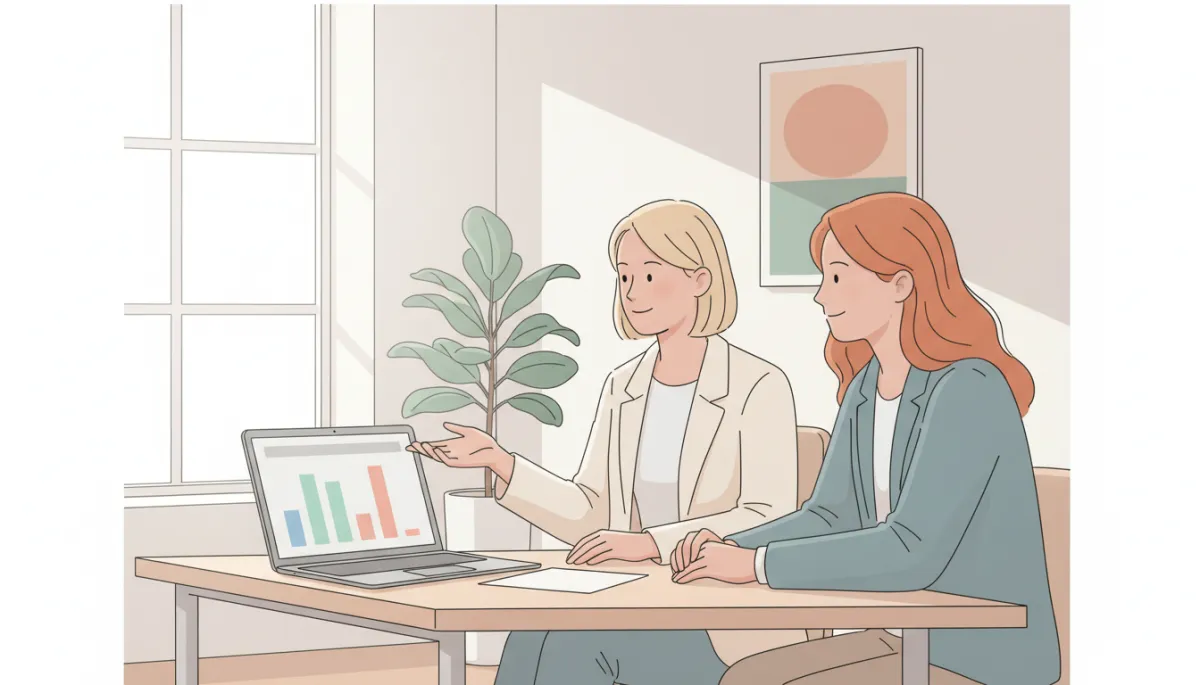
Comparing 2025 and 2026 scenarios helps clarify whether waiting truly boosts your net proceeds.
Reasons Selling in 2025 Might Be Wiser
On the other hand, there are solid arguments for not trying to “outsmart” the calendar and selling sooner rather than later:
Market risk and uncertainty: Forecasts can change quickly. Geopolitical tensions, energy shocks, or financial market volatility all highlighted as key risks could weaken buyer confidence or push mortgage rates higher by 2026, pressuring prices.
Time value of money: Selling in 2025 gives you earlier access to your equity. That can be invested, used to pay down debt, or redeployed into opportunities that might outpace any incremental home price gains from waiting another year.
Tax considerations: Capital gains tax rules, exemptions, and rates can change from year to year. If you already know your 2025 tax picture and it’s favorable, delaying into 2026 could expose you to new rules or higher income that pushes you into a different bracket (Investopedia).
⚠️ Remember: A slightly higher sale price in 2026 can be offset by higher taxes, inflation, or extra carrying costs.
How to Decide: A Simple Framework for Your Situation
Rather than chasing a perfect year, use these questions to guide your decision:
What’s my primary goal? Maximizing price, freeing up cash, reducing stress, or aligning with a life event? Your answer often matters more than small market moves between 2025 and 2026.
Can I comfortably carry this property another year? Consider mortgage payments, taxes, insurance, maintenance, and the risk of unexpected repairs while you wait.
What do local experts say? National forecasts are helpful, but real estate is hyper-local. A trusted agent can tell you if your neighborhood is heating up, cooling down, or likely to stay steady into 2026.
How will my tax picture change? A financial planner or tax professional can compare selling in 2025 vs. 2026 based on your income, deductions, and potential changes to tax law.
Bottom Line: 2026 vs. 2025 Which Year Wins?
Based on current economic outlooks, 2026 is not guaranteed to be meaningfully better for sellers than 2025. Both years are expected to feature moderate growth, a solid labor market, and manageable but elevated inflation. In many cases, the difference in sale price between the two years may be modest compared with the impact of:
Your personal timeline and stress level
Local market trends in your city or neighborhood
Tax implications and closing costs
If you’re ready to move on and the numbers work today, selling in 2025 can be entirely sensible. If you have flexibility, expect stable demand in your area, and can use the extra time to improve the property or optimize your tax situation, waiting until 2026 may offer a slight edge but it’s unlikely to be a game-changer on its own.
📌 Takeaway: Instead of asking “Is 2026 better than 2025?” ask, “Which year better fits my finances, my life, and my local market?” That’s where the real answer lies.

WHAT PEOPLE ARE SAYING ABOUT YVONNE PAREDES
"Absolutely Fantastic"
"Yvonne walked us through every step of selling a home. Explaining everything in detail- what to expect and how things worked. We put our complete trust in her and she delivered 100%. Every step of the way went so smoothly. I can not imagine going through a process like this without her knowledge, compassion and true professionalism!
I HIGHLY recommend Yvonne for any of your real estate needs!"
- A. Smith
"Yvonne was the unicorn we needed last year, during our home search and purchase"
"To say the least, she hustled for us researched and viewed homes when our schedules didn’t permit us to, educated us on all things Concord and Walnut Creek, guided us to great neighborhoods and was with us every step of the way through closing and beyond!."
-E. Mininfield
"Yvonne was absolutely amazing"
"She took the time to explain every detail of the process to us. She worked with my husband and I to prioritize the necessary upgrades that would get us top dollar for our home. Yvonne is extremely professional and kept us updated on all developments.
We are so grateful for her hard work and dedication"
-J. Hazen
Want to be sure you don't miss out on any local tips & local real estate market updates?
Have them delivered to your inbox.
Subscribe to the monthly digital newsletter below!
Yvonne Paredes | Copyright © 2026 | All Rights Reserved